Finn was a human, just like u and me, but he was part of a lab experiment that turned him into an efficient assignment-solving agent,
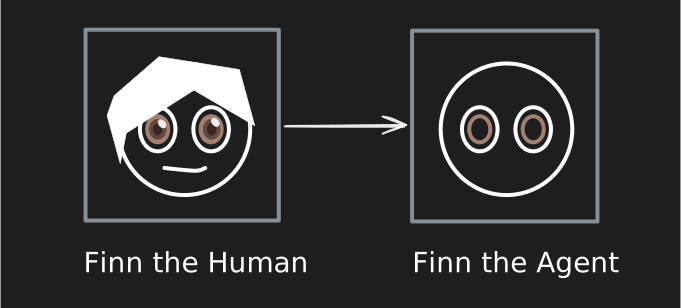
What happened to Finn
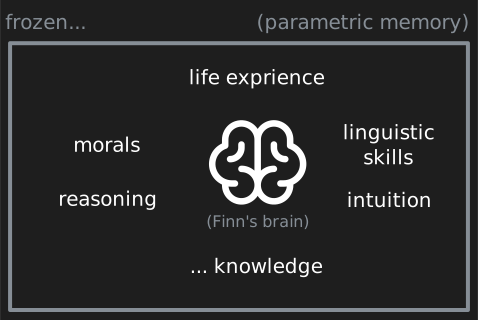
- his entire knowledge/parametric memory, including his: life experience, linguistic skills, intuition, reasoning, morals and etc.. was frozen; he can no longer gain new knowledge.
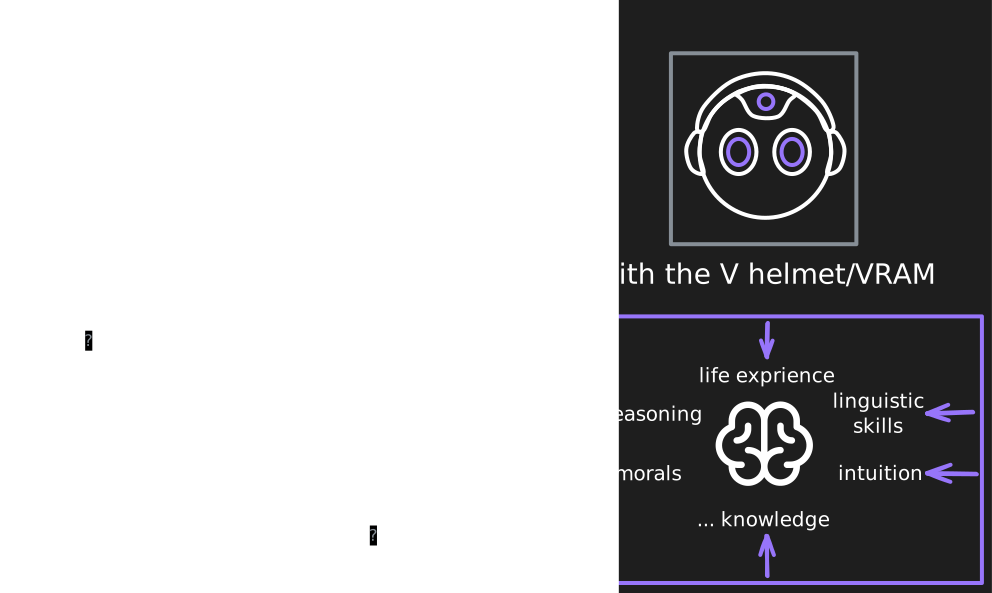
- he now has the ability to recall his entire knowledge/parametric memory at once, but only using a special helmet, the “V helmet”/VRAM, it gives him this power, but it consumes too much energy doing so, and thus cannot run for long.
Finn works on a desk/working memory that the lab provides to him, and it is organized in the following way,
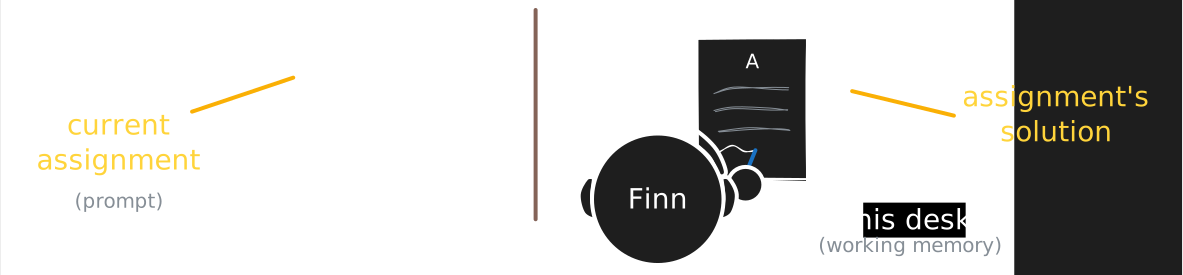
- current assignment area
he places here the assignment requirements/prompt he currently has. - assignment’s solution area
this is where he creates the solution to the current assignment.
Finn gains short-term memory
The lab noticed that Finn completely forgets about an assignment once he finishes it, and they had assignments that were related to each other, so they had to do smth.
They added a previous assignments area/short-term memory/context window to his desk in which he, well, stores finished assignments.
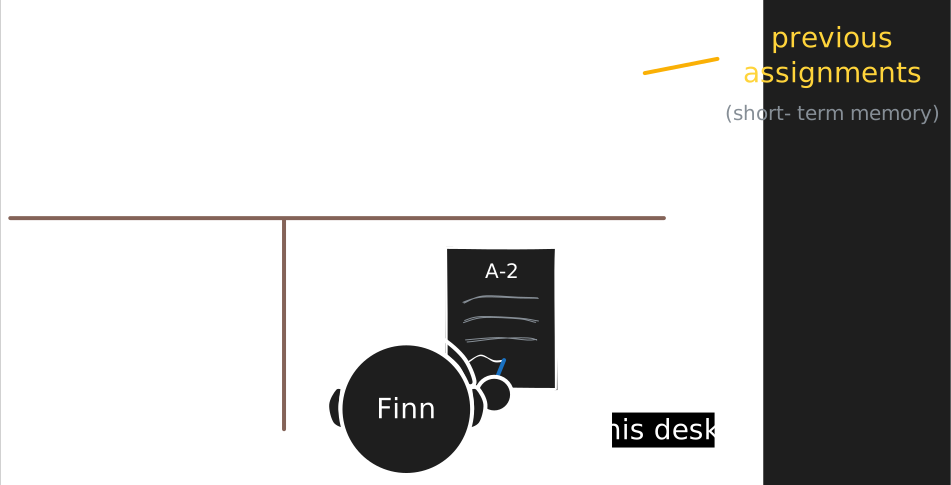
Now Finn can access his solution to the 1st assignment while working on the 2nd one.
Managing his short-term memory
…As he kept finishing assignments and moving them to the previous assignments area, the lab noticed that he quickly ran out of space and would place overflowing assignments in unexpected places.
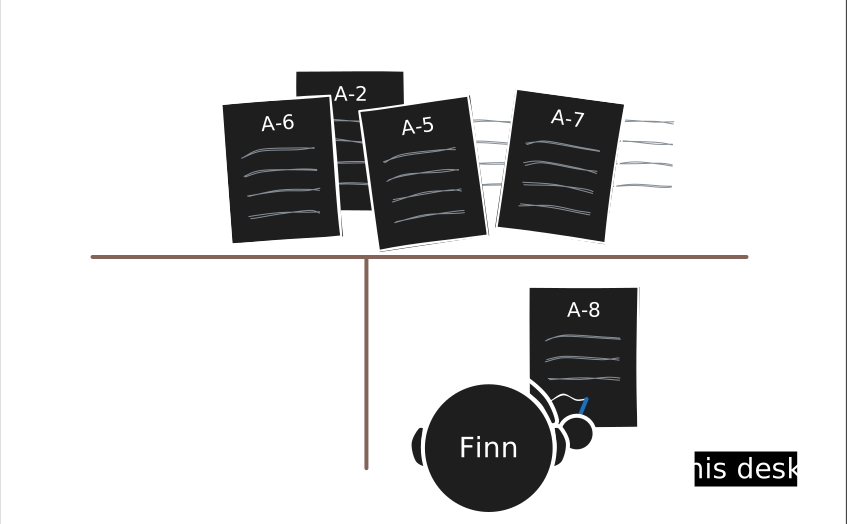
Short-term memory becomes discarding
One scientist suggested that they should let him only keep the 4 most recent assignments on his desk, and discard the rest.
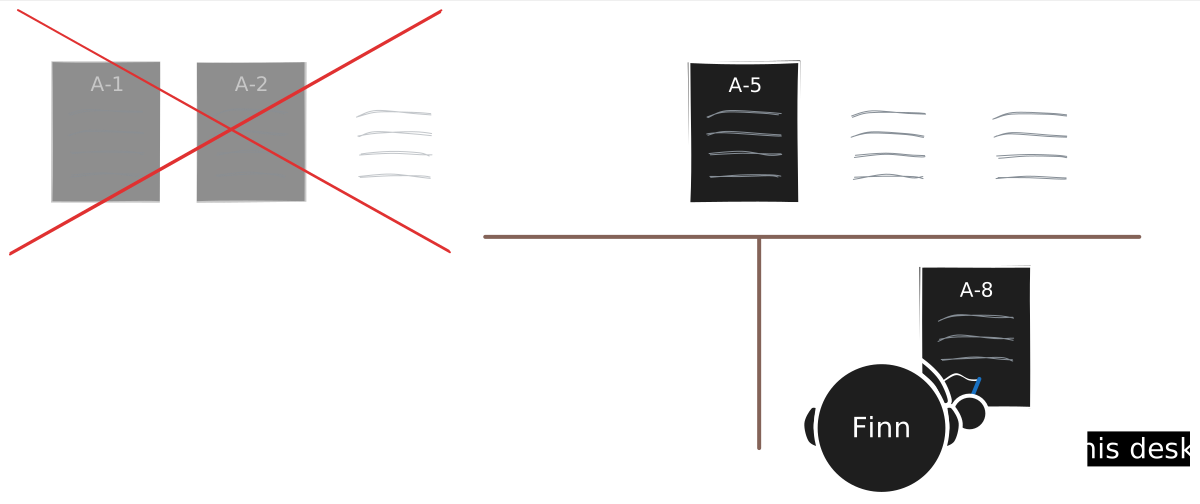
However, another scientist noticed how destructive this can be; Finn would blindly discard old assignments, even if they were more important than recent ones.
Short-term memory becomes a summary
He suggested that previous assignments aren’t stored in that area, but instead a summary of them is.
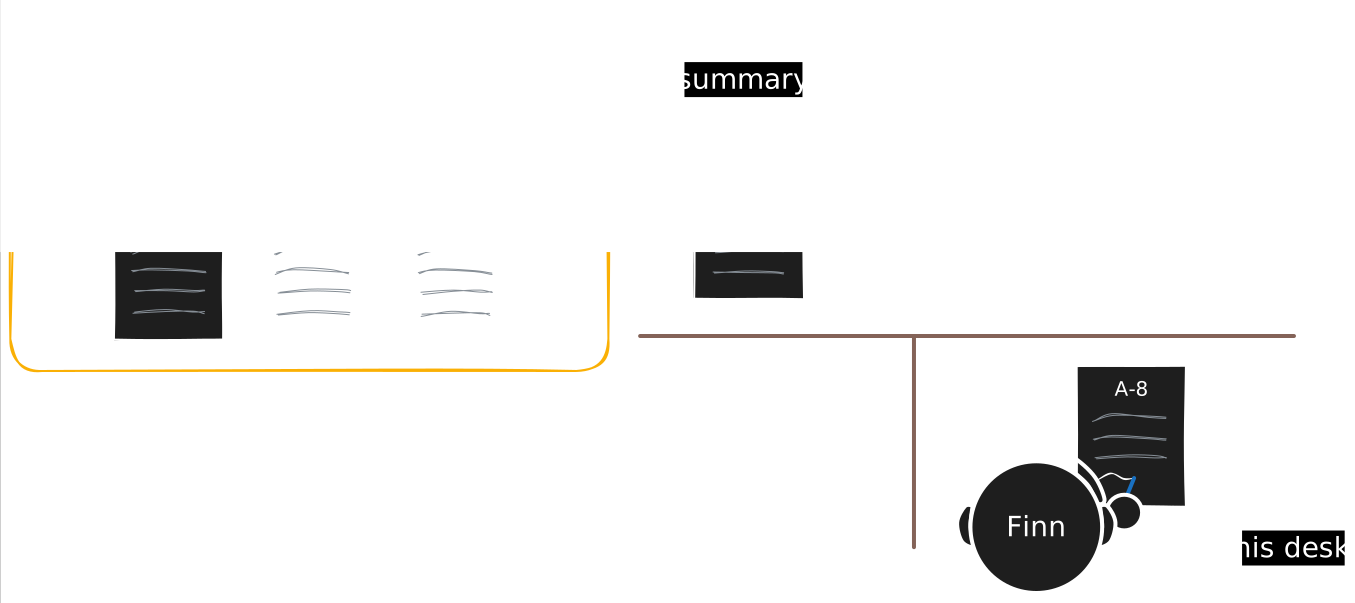
“this way, the desk can never run out of space”.
Short-term memory becomes a summary + keeps recents
“yup, it’ll never run out of space, but so will it if we used the rest of the desk”.
He noticed that they still have 3 slots left in the desk and suggested that the 3 most recent messages are stored as is, and anything older is part of the summary.
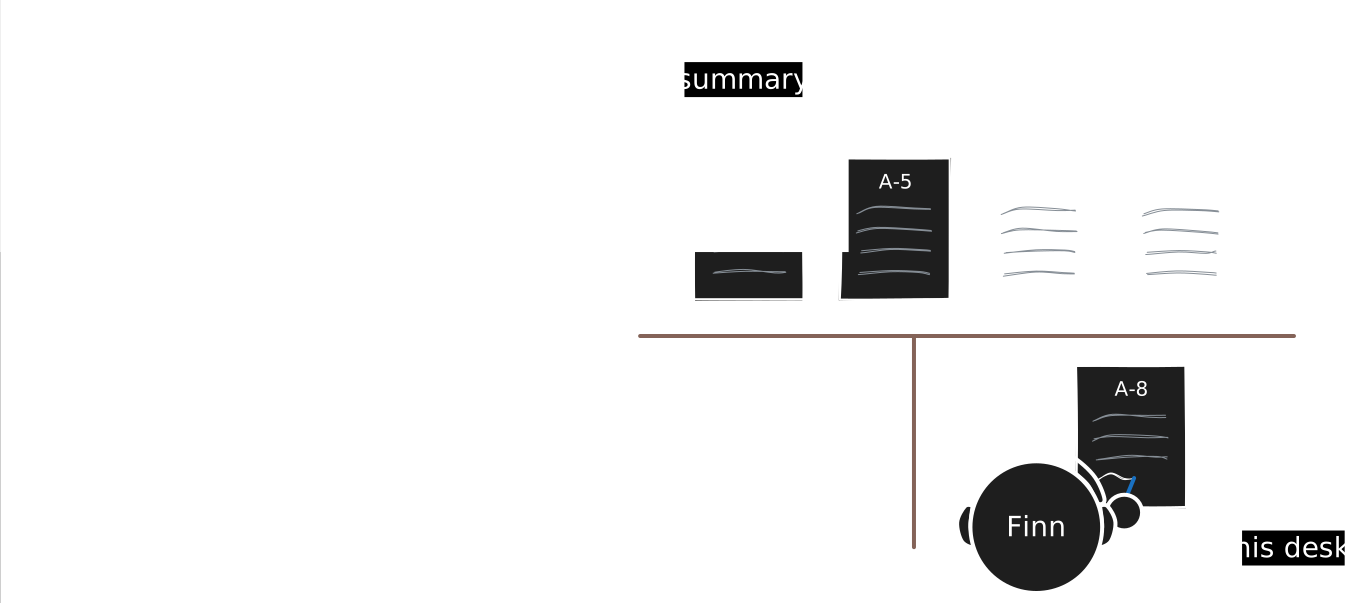
This setup worked so well, until the # of summarized assignments got larger and,
- the summary started dropping crucial details.
- the summarization cost itself started being a nuance.
Finn gains long-term memory
“lol, why were we that keen on storing all the previous assignments on his desk? can’t we just store them in a bookshelf and he can retrieve them whenever he needs to?”
A scientist noticed that they never really needed to store every assignment on Finn’s desk; they can store overflowing assignments within bookshelves/long-term memory that have way more space, the only drawbacks would be,
- Finn would need to wait for them to be fetched from the bookshelf and delivered to him, they’re no longer always within his reach.
- The fetching process may not be perfectly accurate.
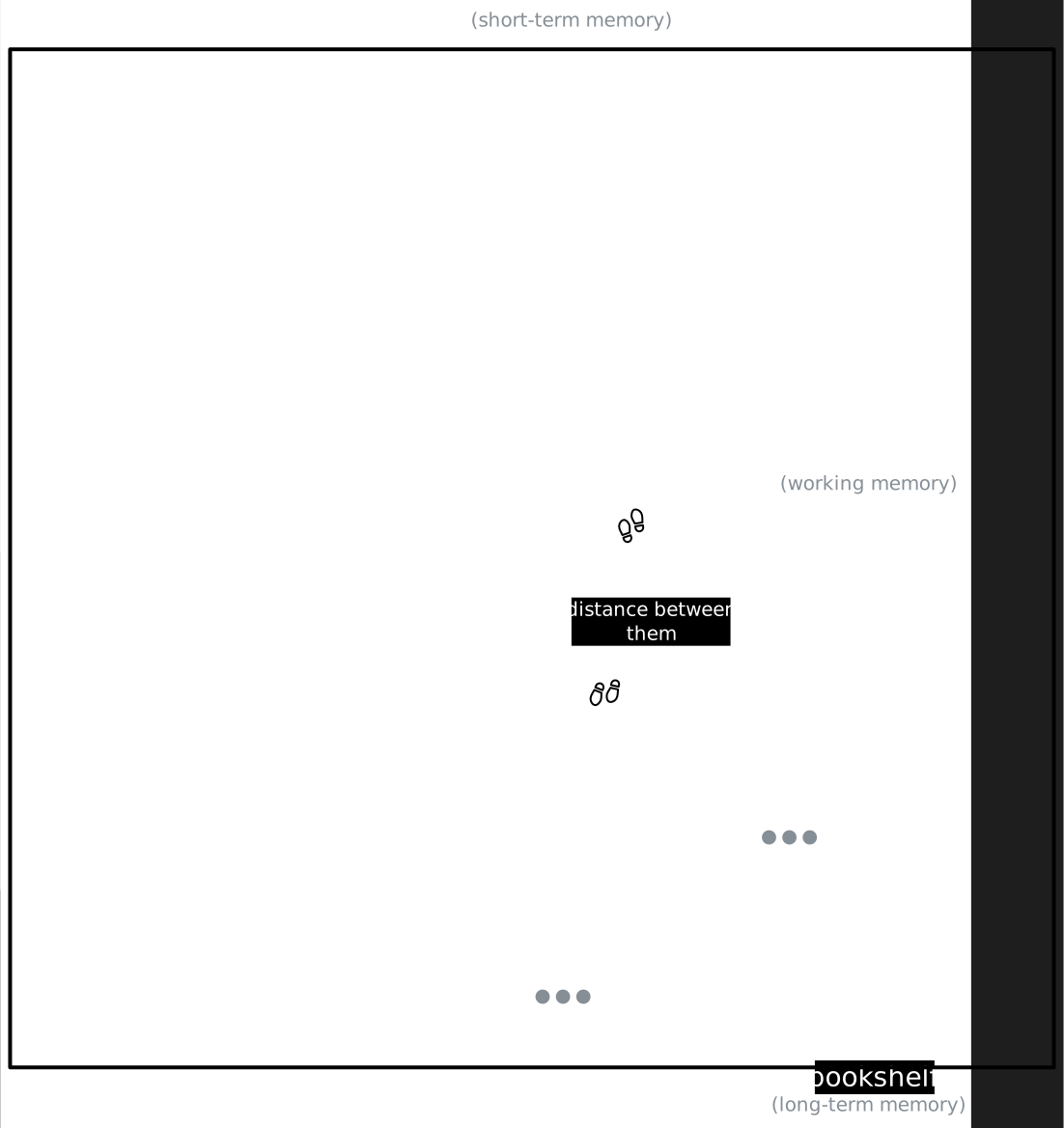 So far, they found this to be the most optimal method to manage the previous assignments, and focused their efforts on improving its bottlenecks: the storing and fetching process.